Interior Designing
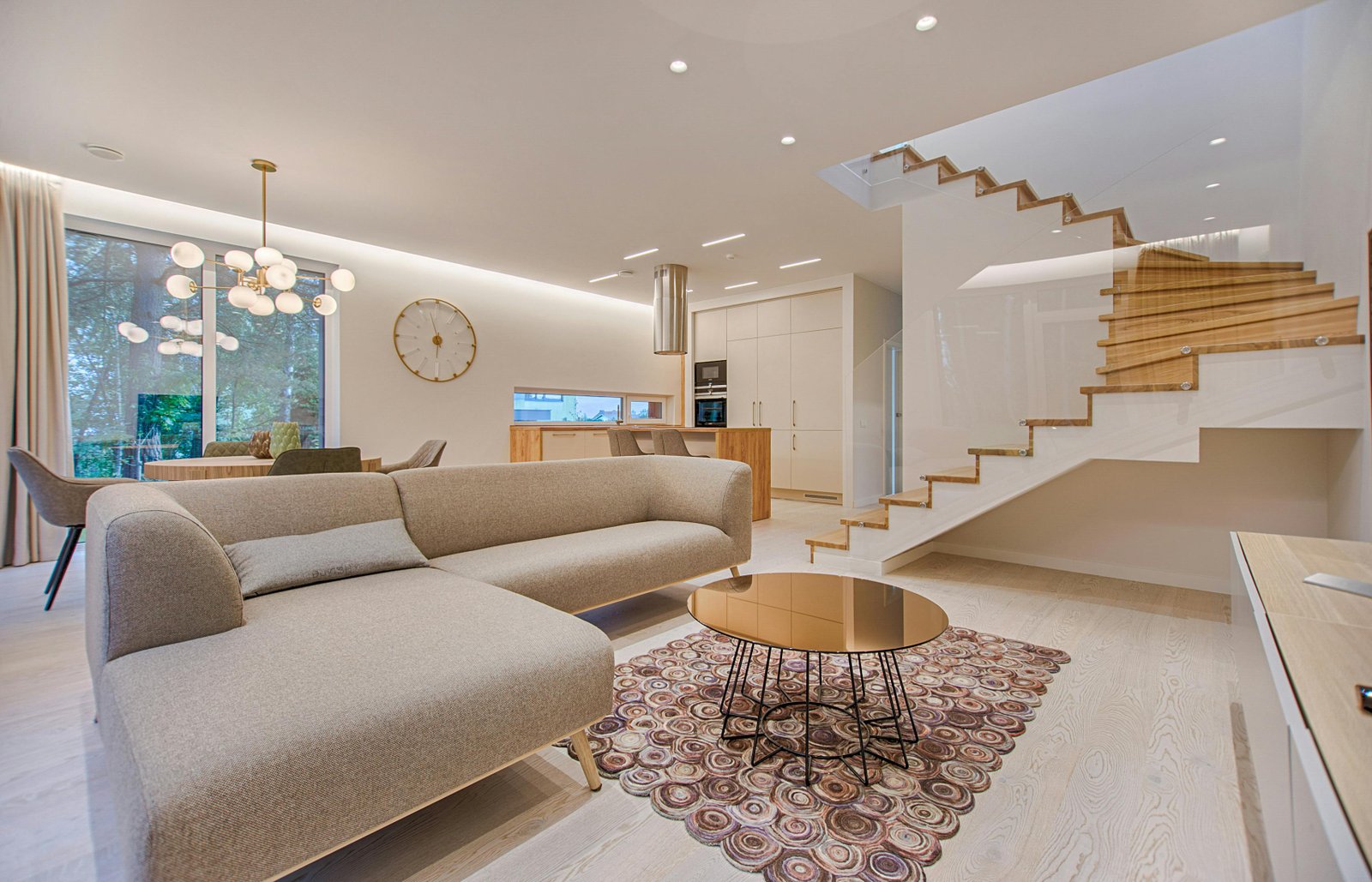
Interior design is the art and science
of enhancing the interior of a building to create a functional
and aesthetically pleasing environment. It involves understanding the
client's needs, the space's function, and the desired style,
and then transforming the space using a combination of design
principles, color theory, furniture selection, lighting, and decoration.
Balance: Ensuring a harmonious distribution
of visual weight in a room. This can be achieved through
symmetrical, asymmetrical, or radial balance.
Contrast: Using contrasting colors, textures,
or shapes to create visual interest.
Rhythm: Creating a sense of movement through
repetition of patterns, colors, or materials.
Harmony: Ensuring that all design elements
complement one another to create a cohesive and unified
look.
Proportion and Scale: Ensuring that the sizes
of furniture, decor, and other elements are in proportion to
the room’s dimensions.
Functionality: Designing a space that is not
only beautiful but also practical, comfortable, and suited
to its purpose.